
 Support This Site ☕
JLPT N2 文法クイズ:時間・順序 (4/4)
Time & Sequence
This is the last of four quizzes for Section 1. The five questions are about timing and order: something that happens partway through an action, two things at the same moment, what has to come first, a sudden change, and a long struggle that finally pays off. The sentences come from everyday life: a quiet classroom during a test, payday, a Japanese home, a moody cat, and a long road to the stage. Choose the best answer for each blank, then read the usage note to see why the other choices don’t fit.
⏱ About 5 minutes · 5 questions · same format as 問題7 on the real N2 test · Quiz 4 of 4
⚠️ このセクションの文法20個のリストです。答えではありませんが、選択肢を考えるヒントになります。
This lists all 20 grammar points in this section. It is not the answer key, but it will help you think through the choices. Try the questions first if you want a real test.
These are all 20 points in the section. 5 of them are the answers on this page.
📘 20項目の説明を読む / Read all 20 explanations →
( )に入る最もよいものを1・2・3・4から一つ選んでください。
Choose the best answer. Click any option to see what it means.
Q1. 静かな教室でテストの問題を( )、おなかが「グー」と鳴ってしまった。
🔊 Hint — listen to the sentence:
Q2. 毎月、給料が( )、3万円を貯金用の口座に移すようにしている。
🔊 Hint — listen to the sentence:
Q3. 日本の家には、玄関で靴を( )、上がれません。
🔊 Hint — listen to the sentence:
Q4. うちの猫は、ひざの上で( )、急に私の手をかんで、どこかへ行ってしまった。
🔊 Hint — listen to the sentence:
Q5. 彼は、10年間オーディションに( )、ようやく夢だった舞台に立つことができた。
🔊 Hint — listen to the sentence:
📖 用例ノート / Usage Notes
各問の文法の説明です。先に問題を解いてから開きましょう。
Explanations for each question. Open them after you have answered.
Q1. 静かな教室でテストの問題を…、おなかが「グー」と鳴ってしまった。
〜最中に saichuu ni
📌 動詞ている形 + 最中に / 名詞の + 最中に ※ 文の終わりでは「最中だ」になる。強めるときは「真っ最中」とも言う
💡 ちょうど〜している途中に、別のことが起きる。じゃまが入る場面でよく使う。
Right in the middle of ~, something else happens. Often used when something interrupts.
① 静かな教室でテストの問題を解いている最中に、おなかが「グー」と鳴ってしまった。
In the quiet classroom, my stomach growled loudly right in the middle of the test.
② お風呂に入っている最中に、宅配便が来ちゃって。
The delivery came right while I was in the bath.
③ ごめん、今ちょうど年末の大掃除の最中だから、あとでかけ直すね。
Sorry, I’m busy with the big year-end cleaning right now. I’ll call you back later.
解いている最中に、おなかが鳴った=〜している途中に、思いがけないことが起きた/お菓子を食べているところを、先生に見つかった=その場面を、だれかに見られた(12)。 「テスト中に」のように「〜中に」とも言える。最中に のほうが「ちょうどそのとき」という気持ちが強い。
Use 最中に when something unexpected happens partway through an action: おなかが鳴った (my stomach growled). Use ところを (card 12) when someone sees or catches you in that moment: 先生に見つかった (the teacher caught me). テスト中に also works, but 最中に puts more weight on “at that exact moment.”
Q2. 毎月、給料が…、3万円を貯金用の口座に移すようにしている。
〜と同時に to douji ni
📌 動詞辞書形/名詞 + と同時に ※ ②の意味では「〜であると同時に、〜でもある」の形が多い。かたい文で使う
💡 ①〜するのと同じときに、もう一つのことが起きる(する)。②〜であり、同時に別の面もある。
① At the same moment as ~, another thing happens. ② ~, and at the same time also ~ (two sides of one thing).
① 毎月、給料が振り込まれると同時に、3万円を貯金用の口座に移すようにしている。
Every month, the moment my salary is deposited, I make a point of moving 30,000 yen into my savings account.
② 就職と同時に、東京へ引っ越すことになったんだ。
I’m moving to Tokyo when I start my new job.
③ 自分の店を持つ寿司職人は、料理人であると同時に、経営者でもあることを忘れてはならない。
A sushi chef with a restaurant of his own must never forget that he is a business owner as well as a cook.
給料が振り込まれると同時に、貯金に回す=自分で決めてすることにも使える/給料が振り込まれたとたん、急に気が大きくなった=その直後に、思いがけないことが起きた(02)。 たとたん の後ろには、「〜ようにしている」「〜つもりだ」のような、自分で決めてすることは来ない。
と同時に also works for things you choose to do, like putting money into savings as soon as your salary comes in. たとたん (card 02) is for something unexpected right after, like suddenly feeling rich the moment you’re paid. Don’t follow たとたん with a habit or plan such as 〜ようにしている or 〜つもりだ.
Q3. 日本の家には、玄関で靴を…、上がれません。
〜てからでないと te kara de nai to
📌 動詞て形 + からでないと(からでなければ) ※ 会話では「〜てからじゃないと」もよく使う(③)
💡 〜しなければ、次のことはできない。先に〜することが必要だ。
You can’t do the next thing until ~ is done. ~ has to come first.
① 日本の家には、玄関で靴を脱いでからでないと、上がれません。
In a Japanese home, you can’t step inside until you’ve taken off your shoes at the entrance.
② この映画は、原作を読んでからでないと、話がよく分からないと思いますよ。
I don’t think you’ll really follow this movie unless you read the original first.
③ そのイス、ペンキをぬったばかりだから、完全に乾いてからじゃないと、座れないよ。
That chair’s just been painted, so it has to dry completely before anyone can sit on it.
靴を脱いでからでないと、上がれない=先にそれをしなければ、次のことができない/内容をよく確認した上でないと、サインできない=よく考えたり確かめたりすることが先(08)。 「〜てからでなければ」とも言う。少しかたい言い方になる(チケットを買ってからでなければ、入場できません)。
てからでないと simply means one thing has to come first, like taking off your shoes before going in. た上でないと (card 08) means you must think it over or check it carefully first, as before signing something. てからでなければ means the same as てからでないと but sounds a little more formal.
Q4. うちの猫は、ひざの上で…、急に私の手をかんで、どこかへ行ってしまった。
〜かと思うと ka to omou to
📌 動詞た形/ていた形 + かと思うと ※ 「〜ていたかと思うと」は、前と反対の様子に急に変わるときによく使う
💡 〜したと思ったら、すぐに次のことが起きた。話し手が見ていて、変化の速さに驚く気持ちを表す。
~ happened, and right after that, something else happened. Shows surprise at how fast things changed.
① うちの猫は、ひざの上で甘えていたかと思うと、急に私の手をかんで、どこかへ行ってしまった。
My cat was snuggling up on my lap, then all of a sudden it bit my hand and wandered off.
② 赤ちゃんって、泣いていたかと思うと、もう笑ってるよね。
Babies! One minute they’re crying, and the next they’re already laughing.
③ 桜が咲いたかと思ったら、もう散り始めている。春は本当にあっという間だ。
The cherry blossoms have barely opened, and they’re already starting to fall. Spring really flies by.
甘えていたかと思うと、急にかんだ=前とちがう様子に、あっという間に変わった(見ていて驚く)/ドアが開くと同時に、猫が飛び出した=二つのことが同じときに起きた(18)。 後ろには、話し手が見て驚いたことが来る。「〜しよう」「〜してください」のような文は来ない。
かと思うと shows surprise at how fast someone or something changed, like a cat going from sweet to biting. と同時に (card 18) just says two things happened at the same moment, like a cat dashing out as the door opens. After かと思うと, describe what you saw, not a suggestion or request like 〜しよう or 〜してください.
Q5. 彼は、10年間オーディションに…、ようやく夢だった舞台に立つことができた。
〜末(に) sue (ni)
📌 動詞た形 + 末(に) / 名詞の + 末(に) ※ 名詞にも付く。ニュースでは「〜の末、」と「に」を付けない形も多い(③)
💡 長い間〜した(考えた・苦労した)あとで、最後にやっと〜した。
After a long time of ~ (thinking, struggling), something finally happened.
① 彼は、10年間オーディションに落ち続けた末に、ようやく夢だった舞台に立つことができた。
After failing auditions for ten years, he finally got to stand on the stage he had always dreamed of.
② いろいろ悩んだ末に、前から欲しかったカメラを買った。
After a lot of agonizing, I bought the camera I’d wanted for ages.
③ 延長戦の末、日本代表が2対1で勝利した。
After extra time, Japan won the match 2–1.
10年間オーディションに落ち続けた末に、夢がかなった=長い苦労のあとで、最後にやっと/前の日にしっかり練習した結果、本番でうまく歌えた=そうしたから、こうなった(長い時間でなくてもいい)(2-14)。 「何年も」「何度も」など、時間がかかったことが分かる言葉と一緒に使う。後ろには「ようやく」「ついに」がよく来る。
末に means a long, hard stretch finally led somewhere, like a dream coming true after ten years of failed auditions. た結果 (card 2-14) simply links a cause to its result, even over a short time, like practicing hard the day before and singing well. 末に usually comes with words that show a long time, such as 何年も or 何度も, and is often followed by ようやく or ついに.
Want your own place in Japan? Furnished, and you can sign online
ベッド、洗濯機、エアコンがすでに部屋にあります。so you can move in with just a suitcase. Leopalace21 manages around 570,000 rooms across Japan . 家具付き。1ヶ月から家を借りられます。
 オンラインで、全部の手続きができます。
Find a room on Leopalace21 →
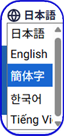
This is an advertisement. The site opens in Japanese, but you can switch it to English with the language button at the top of the page.
 シシャモが選びましたPicked by Shisyamo
💌 Request a quizほしいクイズがあったら、教えてくださいね。
Tell me what's hard for you — your idea might become the next quiz. Found a mistake? Please tell me, too.