
 Support This Site ☕
JLPT N2 文法:時間・順序 / Time & Sequence
Time grammar tells you when something happens and in what order. In this section, you will learn how to say that something happened right after something else (たとたん, かと思うと), and how to talk about the end of a long effort (あげく, 末に). Many forms here look alike, so each card shows a common mistake and compares the form with a similar one.
← N2文法リストへ / Back to the full N2 grammar list
このページの20項目 / The 20 points on this page
〜したら、すぐに次のことをする。これからの予定・約束や、相手へのお願いに使う。
As soon as ~, (I’ll / we’ll / please) do the next thing. Used for future plans, promises, and requests.
動詞ます形の語幹 + 次第 / 名詞 + 次第
※ 名詞は「到着・完成」のような、する が付く名詞(到着次第)
お席が空き次第、ご案内いたします。
We’ll show you to a table as soon as one is free.
担当者が戻り次第、折り返しお電話いたします。
We’ll call you back once the person in charge returns.
雨がやみ次第、試合を再開します。
The game will restart right after the rain stops.
✗ バスを降り次第、財布がないことに気づいた。(→ バスを降りたとたん)
次第 は、これからすることに使う。もう起きたことや、思いがけないことには使わない。そのときは たとたん(02)。
次第 is for what you will do next. It can’t describe something that already happened, especially something unexpected. Use たとたん (card 02).
〜した、その瞬間に。後ろには、思いがけないことや急な変化が来る。
The moment ~ happened. What follows is a sudden change or something unexpected.
動詞た形 + とたん(に)
ひと口食べたとたん、思わず「おいしい!」って言っちゃった。
The second I took a bite, I couldn’t help saying, “This is delicious!”
社長が会議室に入ってきたとたん、みんな一斉に黙った。
The moment the president walked into the meeting room, everyone went silent.
彼はその手紙を読んだとたんに、顔色が変わった。
His face changed the instant he read the letter.
✗ 家に帰ったとたん、シャワーを浴びた。(→ 家に帰ってすぐ)
後ろには、自分の意志でしたことは来ない。自分ではどうにもならないことや、思いがけないことが来る。
What follows can’t be something you chose to do. It’s something you didn’t control or didn’t expect.
〜するのとほとんど同時に、次のことが起きた。前のことがまだ終わっていないくらいの早さ。
Almost at the same moment as ~, the next thing happened, before ~ had even finished.
動詞辞書形/た形 + か + 同じ動詞のない形 + かのうちに
うちの子、「いただきます」を言うか言わないかのうちに、もう食べ始めてるの。
My kid starts eating before he’s even finished saying “itadakimasu.”
店を開けるか開けないかのうちに、お客さんが次々と入ってきた。
We had barely opened the shop when customers started pouring in.
彼女は今日デートらしく、定時になるかならないかのうちに会社を飛び出していった。
Apparently she has a date today. She dashed out of the office almost the second it hit quitting time.
✗ 映画が終わるか終わらないかのうちに、帰ろう。(→ 映画が終わったら、すぐ)
実際に起きたことを言うときに使う。後ろに「〜しよう」「〜してください」は来ない。
It describes what actually happened. Don’t follow it with “let’s ~” or a request.
か〜ないかのうちに=前のことが終わりきらないうちに、もう次が起きた/たとたん=前のことが終わった、その瞬間に(02)。 「暗くならないうちに帰ろう」の「ないうちに」は、〜する前に という別の文法。後ろに「〜しよう」も来る。
With か〜ないかのうちに, the next thing started before the first had even finished. With たとたん (card 02), it came right after. Don’t confuse it with ないうちに (“before ~”), which can be followed by “let’s ~.”
〜してから今まで、ずっと。その時から同じ状態が続いている。
Ever since ~. A state has continued from that time until now.
動詞て形 + 以来 / 名詞 + 以来
※ 「それ以来」「あの日以来」の形でもよく使う
猫を飼い始めて以来、家に帰るのが毎日楽しみなんです。
Ever since we got a cat, I look forward to coming home every day.
入社して以来、一度も遅刻したことがない。
In all my years at this company, I’ve never been late once.
この町は、新しい駅ができて以来、人口が増え続けている。
The town’s population has kept growing from the day the new station opened.
✗ 日本に来て以来、一度京都へ行った。(→ 日本に来てから)
て以来 の後ろには、その時から今まで続いていることが来る。一回だけのできごとには使わない。
て以来 needs something that has continued until now. It doesn’t work with a one-time event.
ちょうど〜している途中に、別のことが起きる。じゃまが入る場面でよく使う。
Right in the middle of ~, something else happens. Often used when something interrupts.
動詞ている形 + 最中に / 名詞の + 最中に
※ 文の終わりでは「最中だ」(今、試合の最中だ)
お風呂に入っている最中に、宅配便が来ちゃって。
The delivery came right while I was in the bath.
大事なプレゼンの最中に、パソコンが止まってしまった。
My computer froze in the middle of an important presentation.
食事の最中に地震が起き、みんな慌ててテーブルの下にもぐった。
An earthquake struck during dinner, and everyone quickly got under the table.
✗ 実家にいる最中に、高校の友だちに会っておきたい。(→ 実家にいる間に)
最中に は、動作が進んでいるときに使う。「いる」のような状態や、長い期間には使わない。
最中に is for an action in progress. It doesn’t work with states like いる or with long periods.
最中に=動作が進んでいる、まさにそのときに(じゃまが入る)/間に=その時間の中のどこかで(状態や長い期間にも使える)。 最中に は「ている形」か「名詞の」に付く。「話す最中に」とは言わない。
最中に points to the very middle of an action, often when something interrupts. 間に means any time within a period, and it works with states. Use the ている form or noun + の: 話している最中に, not 話す最中に.
〜するとき・〜したとき。「とき」のかたい言い方で、案内・お願い・手続き・あいさつでよく使う。
When ~ / at the time of ~. A formal way to say とき, common in notices, requests, procedures, and polite talk.
動詞辞書形/た形 + 際(に) / 名詞の + 際(に)
※ 名詞+に際して も同じ意味で、さらにかたい(開店に際して)
京都へお越しの際は、ぜひうちにも寄ってくださいね。
When you come to Kyoto, please drop by our place.
前回お会いした際にお話しした件ですが、その後いかがでしょうか。
About the matter I mentioned when we last met: how is it going?
図書館でカードを作る際は、住所の分かるものが必要です。
When you make a library card, you need something that shows your address.
✗ 子どもの際、よく川で泳いだ。(→ 子どものころ)
際 は、何かをする場面に使う。子ども時代・学生時代のような、人生の時期には使わない。
際 is for an occasion when something is done. It doesn’t work for a period of life like childhood. Use ころ.
〜の前に。大事なことを始める前に、準備として先に〜をしておく。
Before ~. Something is done first, to get ready for an important event.
名詞 + に先立って(に先立ち) / 動詞辞書形 + に先立って
結婚式に先立って、両家で食事会を開いた。
Before the wedding, our two families got together for dinner.
新しいシステムの導入に先立って、全社員が研修を受けた。
Ahead of the new system’s launch, every employee went through training.
工事に先立ち、住民への説明会が行われた。
Prior to the construction, a briefing was held for local residents.
✗ 寝るに先立って、歯をみがいた。(→ 寝る前に)
に先立って は、行事・発表・開店のような、大事なことや公式なことの前に使う。毎日の小さなことには使わない。
に先立って is for important or official events. It’s not for small everyday things.
まず〜をして、それをもとに次のことをする。考える・調べる・相談するなど、大事な手順のあとに使う。
First do ~, then do the next thing based on it. Used after an important step like thinking, checking, or discussing.
動詞た形 + 上で / 名詞の + 上で
※ 書類では「ご確認の上、」のように で を省くことが多い
家族とよく話し合った上で、留学することにした。
After talking it over with my family, I decided to study abroad.
見積もりを比べた上で、どの会社に頼むか決めましょう。
Let’s compare the quotes first, and then choose a company.
契約書の内容を十分に理解した上で、サインしてください。
Please make sure you fully understand the contract before signing it.
✗ 朝ご飯を食べた上で、会社へ行った。(→ 朝ご飯を食べてから)
ただ順番を言うときには使わない。次のことを決める土台になる行動(考える・調べる・相談する)のあとに使う。
Don’t use it just to show order. It follows a step the next action is based on, like thinking, checking, or discussing.
〜しなければ、次のことはできない。先に〜することが必要だ。
You can’t do the next thing until ~ is done. ~ has to come first.
動詞て形 + からでないと(からでなければ)
※ 会話では「てからじゃないと」もよく使う
この映画は、原作を読んでからでないと、話がよく分からないと思いますよ。
I don’t think you’ll really follow this movie unless you read the original first.
部長の許可をもらってからでないと、この資料は社外に出せません。
We can’t send these documents outside the company without the manager’s approval.
実際に使ってみてからでないと、いい製品かどうかは判断できない。
You can’t tell if a product is good until you’ve actually tried it.
✗ お金を入れてからでないと、ボタンを押してください。(→ お金を入れてから)
後ろには「できない・分からない・だめだ」のような否定の文が来る。「〜してください」には使わない。
It must be followed by something negative, like “can’t” or “won’t understand.” It doesn’t go with a request.
今、少しずつ〜の方向へ変わっている途中。変化はまだ終わっていない。
Something is gradually changing right now. The change is still in progress.
動詞ます形の語幹 + つつある
駅前も、少しずつ変わりつつありますね。
The area around the station is slowly changing, isn’t it?
落ち込んでいた売り上げも、回復しつつある。
Our sales, which had dropped, are now on the way back up.
この地域では若い人が減り、昔ながらの祭りが消えつつある。
With fewer young people in this area, its traditional festivals are dying out.
✗ 今、友だちと電話で話しつつある。(→ 話している)
つつある は、少しずつ進む変化に使う。話す・食べる のような、今している動作には使わない。
つつある is for a gradual change. For something you’re doing right now, use ている.
ちょうど〜しようとしている・〜している・〜したときに、人が来たり、何かが起きたりする。
Just when ~ was about to happen, was happening, or had just happened, someone came or something happened.
動詞辞書形/ている形/た形 + ところに(ところへ)
ちょうどケーキが焼けたところに、友だちが遊びに来た。
A friend dropped by just as the cake came out of the oven.
帰ろうとしているところに、お客さんから電話がかかってきた。
I was about to head home when a customer called.
友人のうわさをしているところへ、本人が現れた。
Right when we were talking about our friend, she showed up.
✗ 電車で居眠りしているところに、同僚に見られた。(→ 居眠りしているところを)
後ろが「見る・見つける・助ける」なら ところを(12)。ところに の後ろには、人が来る・何かが起きる文が来る。
If what follows is “see,” “find,” or “help,” use ところを (card 12). ところに is followed by someone arriving or something happening.
①〜のときなのに(お礼やおわびのあいさつ)。②〜している場面を、だれかに見られる・助けられる。
① Even though you are ~ (in polite thanks or apologies). ② Be seen, caught, or helped while ~ing.
動詞辞書形/ている形/た形 + ところを / い形容詞・名詞の + ところを
歩きスマホをしているところを、近所の人に見られちゃった。
A neighbor saw me looking at my phone while I was walking. How embarrassing!
お忙しいところを、お時間をいただき、ありがとうございます。
Thank you for taking the time to see us when you’re so busy.
危ないところを、通りかかった人に助けられた。
When I was in danger, a passerby came to my rescue.
✗ 洗濯物を干しているところを、急に雨が降ってきた。(→ 干しているところに)
後ろが「降ってくる・来る・電話がかかる」なら ところに(11)。ところを の後ろには、見る・助ける・じゃまするなど、その場面に働きかける文が来る。
If what follows is something arriving or happening, like rain or a phone call, use ところに (card 11). ところを is followed by verbs that act on the situation, like “see,” “help,” or “interrupt.”
〜して、そこでやっと(分かる・気づく・できるようになる)。それまでは分からなかった。
Someone realizes, understands, or becomes able to do something only after ~.
動詞て形 + はじめて
一人暮らしをしてはじめて、母のありがたさが分かった。
It wasn’t until I lived on my own that I realized how much my mother did for me.
お客様の声を直接聞いてはじめて、商品の問題点に気づいた。
We only noticed the problems with our product after hearing directly from customers.
外国語を学んではじめて、自分の国の言葉について考えるようになった。
Only after learning a foreign language did I start thinking about my own language.
✗ 退職してはじめて、ゆっくり旅行するつもりだ。(→ 退職してから)
後ろには、そのとき起きた気づきや変化が来る。これからの予定やお願いには使わない。
What follows is a realization or change that came at that point. It’s not used for plans or requests.
①〜と一緒に。②〜と同時に。③〜が変わると、それにつれて別のことも変わる。
① Together with ~. ② At the same time as ~. ③ As ~ changes, something else changes too.
名詞 + とともに / 動詞辞書形 + とともに
年をとるとともに、朝早く目が覚めるようになってきた。
As I’ve gotten older, I’ve gradually started waking up earlier.
社長の交代とともに、会社の雰囲気も大きく変わった。
Along with the new president came a big change in the company’s atmosphere.
優勝した選手は、コーチとともに喜びを分かち合った。
The winning player shared the moment of joy with the coach.
✗ 子どもが大きくなるとともに、家を買うつもりだ。(→ 子どもが大きくなったら)
「〜が変わるとともに」の後ろには、同じように少しずつ変わることが来る。一回だけのことや予定には使わない。
When とともに follows a gradual change, what comes after must also change gradually. Not a one-time action or a plan.
①〜が変わると、それと一緒に別のことも変わる。②〜(移転・工事など)のために、別のことが起きる。
① As ~ changes, something else changes along with it. ② Because of ~ (such as a move or construction), something else happens.
名詞 + に伴って(に伴い) / 動詞辞書形 + に伴って
※ 名詞の前では に伴う(人口の増加に伴う問題)
明日午前11時からのエレベーター点検に伴い、約1時間ご利用いただけません。
Due to the elevator inspection starting at 11 a.m. tomorrow, the elevator will be out of service for about an hour.
事務所の移転に伴って、電話番号が変わります。
With our office relocation, our phone number will change.
インターネットの普及に伴って、新聞を読む人が減ってきた。
As the internet has spread, fewer people have been reading newspapers.
✗ 父に伴って、美術館へ行った。(→ 父と一緒に)
に伴って は「人と一緒に」の意味では使わない。前には、移転・普及・上昇のような、変化やできごとを表す言葉が来る。
に伴って doesn’t mean “together with a person.” It follows a word for a change or an event, like a move, a spread, or a rise.
に伴って=〜が変わると、それにつれて(できごとにも使う)/につれて=〜が変わると、だんだん(少しずつの変化だけ)。 「引っ越しに伴って」のような一回のできごとには、につれて は使えない。
Both can mean “as ~ changes.” に伴って also works with one-time events like a move or an inspection; につれて needs a gradual change.
長い間〜した(迷った・苦労した)結果、最後は悪いことになった。残念な気持ちや、あきれた気持ちを表す。
After a long time of ~ (hesitating, struggling), things ended badly. Shows disappointment or frustration.
動詞た形 + あげく(に) / 名詞の + あげく(に)
※ 名詞の例:口論のあげく
一時間も迷ったあげく、何も買わずに帰ってきた。
After an hour of trying to decide, I came home without buying anything.
何度も話し合ったあげく、その計画は中止になった。
After discussing it again and again, they ended up canceling the plan.
借金を重ねたあげく、彼は家族も仕事も失ってしまった。
After piling up debt, he lost both his family and his job.
✗ 一生懸命勉強したあげく、合格できた。(→ 一生懸命勉強した末に)
あげく の後ろには、悪い結果や残念な結果が来る。いい結果には 末に(17)を使う。
あげく is followed by a bad or disappointing result. For a good result, use 末に (card 17).
長い間〜した(考えた・苦労した)あとで、最後にやっと〜した。
After a long time of ~ (thinking, struggling), something finally happened.
動詞た形 + 末(に) / 名詞の + 末(に)
※ 名詞の例:長い交渉の末
いろいろ悩んだ末に、前から欲しかったカメラを買った。
After a lot of agonizing, I bought the camera I’d wanted for ages.
何か月も準備した末に、ようやく新しい店をオープンできた。
After months of preparation, we were finally able to open the new store.
十年間の研究の末、新しい薬が完成した。
Ten years of research led at last to a new medicine.
✗ 少し考えた末に、Aランチを注文した。(→ 少し考えて)
末に は、長く考えたり苦労したりしたあとに使う。「少し」「すぐ」のような短い時間とは合わない。
末に comes after a long time of thinking or effort. It doesn’t fit a short time like 少し or すぐ.
末に=長く〜して、最後に(いい結果にも悪い結果にも使う)/た結果=〜したことから、こうなった(長い時間がなくてもいい)(2-14)。 残念な結果にも使える(何年も挑戦した末に、夢をあきらめた)。
末に means a long process finally led to an outcome, good or bad. た結果 (card 2-14) just gives the result, even after a short time. 末に can also end in disappointment.
①〜するのと同じときに、もう一つのことが起きる(する)。②〜であり、同時に別の面もある。
① At the same moment as ~, another thing happens. ② ~, and at the same time also ~ (two sides of one thing).
動詞辞書形/名詞 + と同時に
※ ②の意味では「名詞である」「な形容詞である」「い形容詞」に付く(楽しいと同時に)
就職と同時に、東京へ引っ越すことになったんだ。
I’m moving to Tokyo when I start my new job.
新商品は、発売と同時に売り切れた。
The new product sold out the moment it went on sale.
子育ては大変であると同時に、大きな喜びでもある。
Raising children is hard work, and at the same time a great joy.
✗ 結婚すると同時に、ずっとこの町に住んでいる。(→ 結婚して以来)
と同時に は、同じ一つのときを表す。「ずっと〜している」のような、そこから続いていることには使わない。そのときは て以来(04)。
と同時に points to one moment. For something that has continued since then, use て以来 (card 04).
〜したと思ったら、すぐに次のことが起きた。話し手が見ていて、変化の速さに驚く気持ちを表す。
~ happened, and right after that, something else happened. Shows surprise at how fast things changed.
動詞た形/ていた形 + かと思うと
赤ちゃんって、泣いていたかと思うと、もう笑ってるよね。
Babies! One minute they’re crying, and the next they’re already laughing.
株価は午前中に大きく上がったかと思うと、午後には一気に下がった。
Stock prices rose sharply in the morning, only to drop suddenly in the afternoon.
空が急に暗くなったかと思うと、激しい雨が降り出した。
The sky suddenly grew dark, and the next moment heavy rain began to fall.
✗ 私は席に着いたかと思うと、すぐに眠ってしまった。(→ 席に着いたとたん)
話し手自身のことには使わない。ほかの人や物の様子を見て、変化の速さに驚いたときに使う。
Don’t use it for your own actions. It’s for when you watch someone or something change surprisingly fast.
〜したまま、そのあと続くはずのことが起きていない。
After ~, nothing more happened. The next expected thing never came.
動詞た形 + きり
※ 会話では「〜たっきり」とも言う(行ったっきり)
去年買ったきり、一度も着ていない服がたくさんある。
I have lots of clothes I bought last year and never wore even once.
先方にメールを送ったきり、まだ返事が来ない。
I emailed the client, but I still haven’t heard back.
父は朝早くから釣りに出かけたきり、夕方になっても戻ってこない。
My father went fishing early in the morning, and he still isn’t back even though it’s evening.
✗ 洗濯をしたきり、昼ご飯を食べた。(→ 洗濯をしてから)
きり の後ろには「〜ない」のように、そのあと何も起きていないことが来る。次にしたことを言うときには使わない。
きり is followed by something that hasn’t happened since, often with 〜ない. Don’t use it to say what you did next.
Want your own place in Japan? Furnished, and you can sign online
ベッド、洗濯機、エアコンがすでに部屋にあります。so you can move in with just a suitcase. Leopalace21 manages around 570,000 rooms across Japan . 家具付き。1ヶ月から家を借りられます。
 オンラインで、全部の手続きができます。
Find a room on Leopalace21 →
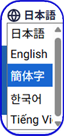
This is an advertisement. The site opens in Japanese, but you can switch it to English with the language button at the top of the page.
 シシャモが選びましたPicked by Shisyamo
💌 Request a quizほしいクイズがあったら、教えてくださいね。
Tell me what's hard for you — your idea might become the next quiz. Found a mistake? Please tell me, too.