
 Support This Site ☕
JLPT N2 文法クイズ:気持ち・文末表現 (3/4)
Feelings & Sentence Endings
Five more questions on feelings and sentence endings. Some choices look almost the same, so read the whole sentence before you choose. After each answer, you’ll see a usage note with more examples.
⏱ About 5 minutes · 5 questions · same format as 問題7 on the real N2 test · Quiz 3 of 4
⚠️ このセクションの文法20個のリストです。答えではありませんが、選択肢を考えるヒントになります。
This lists all 20 grammar points in this section. It is not the answer key, but it will help you think through the choices. Try the questions first if you want a real test.
These are all 20 points in the section. 5 of them are the answers on this page.
📘 20項目の説明を読む / Read all 20 explanations →
( )に入る最もよいものを1・2・3・4から一つ選んでください。
Choose the best answer. Click any option to see what it means.
Q1. 実家の近くの駄菓子屋が、今も同じ場所で店を開けていた。小学生のころは、学校の帰りに毎日のように( )。
🔊 Hint — listen to the sentence:
Q2. 新しいソフトを入れてから、パソコンの動きは日に日に( )。
🔊 Hint — listen to the sentence:
Q3. 七十歳を過ぎてから英会話を習い始めた祖母が、今では一人で海外旅行に出かけている。その好奇心の強さには、( )。
🔊 Hint — listen to the sentence:
Q4. 自分で野菜を( )、農家の人たちの苦労が身にしみて分かる。
🔊 Hint — listen to the sentence:
Q5. 【寮生の皆さんへ】という貼り紙に「夜十時以降は、周りの部屋の迷惑にならないよう、洗濯機は( )。」と書いてあった。
🔊 Hint — listen to the sentence:
Live in Japan and love 進撃の巨人? There’s a Rakuten Card with an Attack on Titan design
It works just like the regular Rakuten Card — no annual fee, ever, and 1 point for every ¥100 on most purchases. 楽天カードは私も使っています。
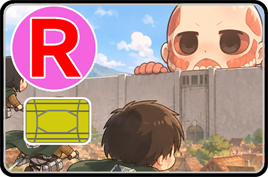
This is an advertisement. The linked site is in Japanese. You need to live in Japan and be 18 or older to apply.
 シシャモが選びましたPicked by Shisyamo
📖 用例ノート / Usage Notes
各問の文法の説明です。先に問題を解いてから開きましょう。
Explanations for each question. Open them after you have answered.
Q1. 実家の近くの駄菓子屋が、今も同じ場所で…
〜ものだ mono da
📌 動詞た形 + ものだ ※ 会話では「〜たもんだ」。辞書形+ものだ は「それが普通だ」の意味になる
💡 昔よくしたことを、なつかしく思い出して言う。
used to ~ (looking back fondly on a past habit)
① 実家の近くの駄菓子屋が、今も同じ場所で店を開けていた。小学生のころは、学校の帰りに毎日のように寄ったものだ。
The little candy shop near my parents’ house was still open, right where it always was. In elementary school, I used to stop by almost every day on the way home.
② 子どものころは、暗くなるまで近所の川で遊んだものだ。
When I was a kid, I used to play by the river near our house until dark.
③ 新入社員のころは、先輩によく飲みに連れて行ってもらったものだ。
When I was new at the company, my seniors often took me out for drinks.
小さいころはよく泣いたものだ=昔よく泣いた(思い出) / 子どもはよく泣くものだ=子どもとはそういうものだ(一般論) た形なら思い出、辞書形なら「それが普通だ」。
With the た-form it’s a memory; with the dictionary form it’s “that’s just how it is.”
Q2. 新しいソフトを入れてから、パソコンの動きは…
〜ばかりだ bakari da
📌 動詞辞書形 + ばかりだ ※ 「〜たばかりだ」(〜してすぐ)とは別
💡 悪い方向への変化が、止まらずに続いていく。
only gets ~ (worse and worse)
① 新しいソフトを入れてから、パソコンの動きは日に日に遅くなるばかりだ。
Ever since I installed the new software, my computer has been getting slower by the day.
② 薬を飲んでも、せきはひどくなるばかりだ。
Even with the medicine, my cough is only getting worse.
③ 物価が上がって、暮らしは苦しくなるばかりだ。
With prices going up, life just keeps getting harder.
部屋は散らかるばかりだ=どんどん散らかっていく / 部屋を片づけたばかりだ=片づけて、まだ時間がたっていない 辞書形なら変化が続く、た形なら「〜してすぐ」。
Dictionary form + ばかりだ: it keeps getting worse. た-form + ばかりだ: you’ve only just done it.
Q3. 七十歳を過ぎてから英会話を習い始めた祖母が…
〜ものがある mono ga aru
📌 動詞辞書形/い形容詞/な形容詞な + ものがある ※ 驚かされる・考えさせられる・心にしみる など、評価や気持ちの語と一緒に使う
💡 はっきり言えないが、何か強く感じさせるところがある、と話し手の感想や評価を言う。
there’s something ~ about it / it really is ~
① 七十歳を過ぎてから英会話を習い始めた祖母が、今では一人で海外旅行に出かけている。その好奇心の強さには、驚かされるものがある。
My grandmother took up English conversation after turning seventy, and now she travels abroad on her own. There’s something truly astonishing about her curiosity.
② この曲には、なんだか心にしみるものがあるね。
There’s something about this song that really gets to you.
③ 長年使い込まれた職人の道具には、どこか美しいものがある。
There’s something beautiful about a craftsman’s well-worn tools.
驚かされるものがある=何か驚かせるところがある(落ち着いた評価) / どれほど驚かされたことか=とても驚いた(強い気持ち) ことか は「どれほど・何度」がないと使えない。
ものがある is a calm judgment about the thing; ことか pours out your own strong feeling.
Q4. 自分で野菜を…
〜てこそ te koso
📌 動詞て形 + こそ
💡 〜して、はじめて本当の価値や意味が生まれる、と強く言う。
only by ~ing / it’s only when you ~ that …
① 自分で野菜を育ててこそ、農家の人たちの苦労が身にしみて分かる。
Only when you grow vegetables yourself do you really feel how hard farmers work.
② この料理は、できたてを食べてこそおいしいんだよ。
This dish is only really good when you eat it fresh.
③ 旅の景色は、自分の目で見てこそ心に残る。
Travel scenery only stays with you when you see it with your own eyes.
育ててこそ分かる=育てなければ分からない(条件を強める) / 育てたからこそ分かる=育てたので分かる(理由を強める) どちらも入る文が多いが、てこそ は「そうしてはじめて」、からこそ は「それが理由で」。
てこそ stresses doing it as the condition; からこそ stresses it as the reason.
Q5. 【寮生の皆さんへ】という貼り紙に…
〜こと koto
📌 動詞辞書形/ない形 + こと ※ 掲示・説明書・学校の決まりなどの文末で使う
💡 〜しなさい、〜してはいけない、と規則や注意を文末で短く示す。
must ~ / do not ~ (written rules and notices)
① 【寮生の皆さんへ】という貼り紙に「夜十時以降は、周りの部屋の迷惑にならないよう、洗濯機は使わないこと。」と書いてあった。
A notice titled “To All Dorm Residents” said: “After 10 p.m., do not use the washing machines, so as not to disturb the rooms nearby.”
② 出かけるときは、必ずストーブを消すこと。火事になったら危ないからね。
Always turn off the heater before you go out. It’d be dangerous if a fire started.
③ ゴミは前の日の夜には出さず、収集日の朝に出すこと。
Don’t put trash out the night before — take it out on the morning of collection day.
会議に遅れないこと=決まり・指示 / 遅れたくないなら、早めに家を出ることだ=相手への助言 貼り紙や規則では、ことだ は使わない。
On signs and in rules, use こと, never ことだ.
💌 Request a quizほしいクイズがあったら、教えてくださいね。
Tell me what's hard for you — your idea might become the next quiz. Found a mistake? Please tell me, too.