
 Support This Site ☕
JLPT N3 Onomatopoeia: ころころ vs ごろごろ — Learn Japanese Onomatopoeia by Sound (Native Audio)
Japanese has over 1,000 onomatopoeia. Memorising them one at a time is slow. This lesson teaches you a rule instead: what changes when you add dakuten (゛) to a word. Three pairs, six questions, native audio recorded by a Japanese speaker.
Pair 1 — ころころ / ごろごろ
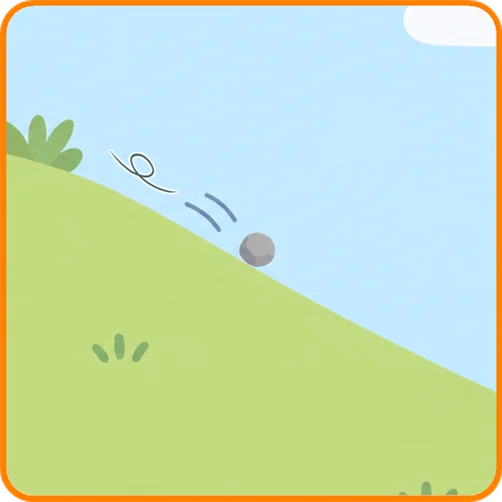
1. 小さいボールが坂を( )転がっていった。
⚠️ 音声には答えが含まれています / Audio reveals the answer — listen after answering!
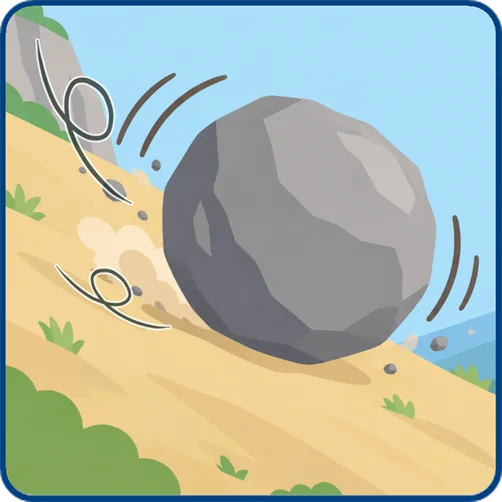
2. 大きな石が山から( )落ちてきた。
⚠️ 音声には答えが含まれています / Audio reveals the answer — listen after answering!
Pair 2 — さらさら / ざらざら
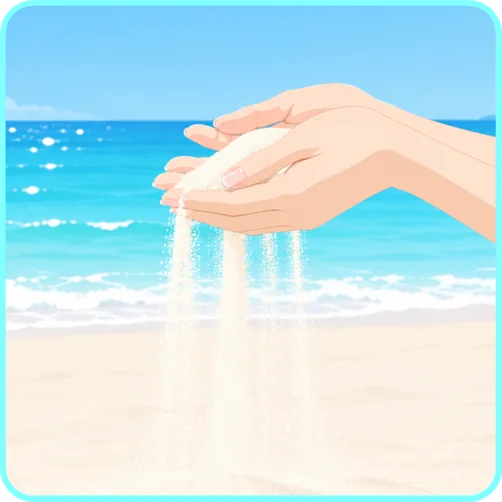
3. 洗ったばかりの髪は( )していて気持ちいい。
⚠️ 音声には答えが含まれています / Audio reveals the answer — listen after answering!
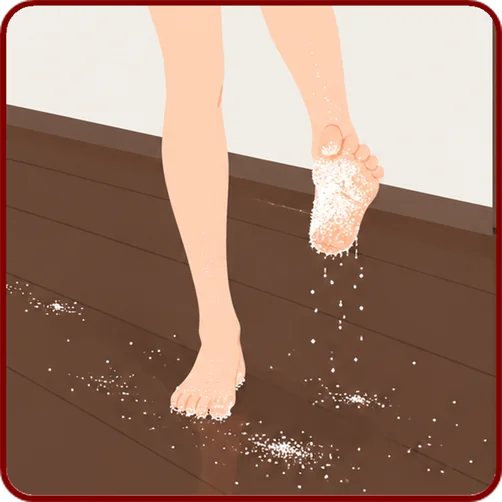
4. この古い壁は( )していて、さわると手が汚れる。
⚠️ 音声には答えが含まれています / Audio reveals the answer — listen after answering!
Pair 3 — きらきら / ぎらぎら
5. 子どもの目が( )輝いていた。
⚠️ 音声には答えが含まれています / Audio reveals the answer — listen after answering!
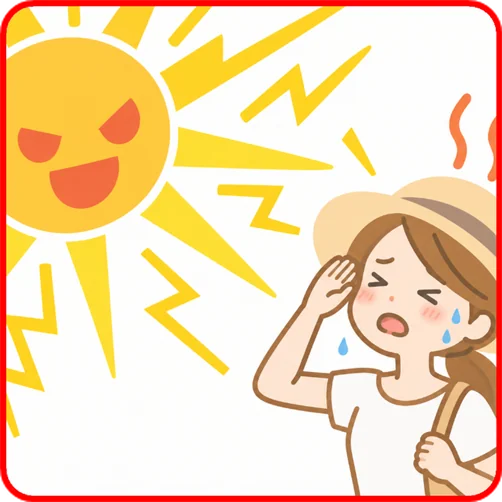
6. 真夏の太陽が( )照りつけて、暑くてたまらない。
⚠️ 音声には答えが含まれています / Audio reveals the answer — listen after answering!

Moving to Tokyo? Furnished shared apartments, no deposit
No deposit, no key money, no agency fee. No guarantor and no office visit either.
東京へ、ひっこし 家具付で、楽ちんRooms from

See rooms and prices →
This is an advertisement. The linked site is in Japanese.
 シシャモが選びましたPicked by Shisyamo
📝 スコアは「最後に押したボタン」で決まります。正解を選び直せば得点になります!
Score is based on your last click per question. Switch to the correct answer to earn points!
🔑 The rule you just learned
Add dakuten (゛) and the word gets heavier, bigger, rougher — and usually less pleasant.
濁点がつくと、重く・大きく・粗くなる。
| Clear sound | With dakuten | |
|---|---|---|
| ころころ small rolling | → | ごろごろ heavy rolling, thunder |
| さらさら smooth | → | ざらざら rough |
| きらきら sparkling | → | ぎらぎら glaring |
| とんとん light tapping | → | どんどん heavy banging |
| さくさく light & crisp | → | ざくざく coarse & crunchy |
| かたかた small rattle | → | がたがた violent shaking |
Once you hear this rule, you can guess new onomatopoeia you have never studied. That is why learning in pairs beats learning one word at a time.
✅ もっと例文 / More Example Sentences
各ペアをクリックすると例文が開きます。
Click each pair to open its example sentences.
💌 Request a quizほしいクイズがあったら、教えてくださいね。
Tell me what's hard for you — your idea might become the next quiz. Found a mistake? Please tell me, too.