
 Support This Site ☕
JLPT N2 文法:気持ち・文末表現 / Feelings & Sentence Endings
This page covers 20 N2 grammar points for feelings and sentence endings, from ものだ and ことか to てたまらない and っぱなし. Each card shows the connection, three example sentences, a common mistake, and how it differs from lookalike forms.
← N2文法リストへ / Back to the full N2 grammar list
このページの20項目 / The 20 points on this page
①昔よく〜したことを、なつかしく思い出す(〜たものだ)。②それが本来の性質だ、普通だ、と一般的に言う。③しみじみ感じたことを言う。
① used to ~ (looking back fondly) ② that’s just how ~ is ③ what a ~ thing (deep feeling)
動詞た形 + ものだ(回想)/動詞辞書形・い形容詞・な形容詞な + ものだ
※ 会話では「もんだ」になる
子どものころは、暗くなるまで近所の川で遊んだものだ。
When I was a kid, I used to play by the river near our house until dark.
新人のうちは、失敗するものだ。気にしないで、次に生かせばいい。
Everyone slips up when they’re new. Don’t worry — just learn from it.
一度会っただけの人と、十年後に同じ職場で働くことになるとは。人の縁とは不思議なものだ。
Who knew I’d end up working with someone I’d met only once, ten years later? Life’s connections are a strange thing.
✗ 昨日は、友達とカラオケに行ったものだ。(→ 昨日は、友達とカラオケに行った。)
回想の ものだ は、遠い昔に何度もくり返したことに使う。最近の1回だけの出来事には使わない。
The “used to” ものだ is for things you did again and again long ago, not a single recent event.
ものだ=それが普通/昔よく〜した / ものではない(6-15)=〜しないほうがいい / ものか(08)=絶対に〜しない 「もの」のあとの語尾で、意味が全部変わる。
ものだ describes how things are, ものではない gives advice, and ものか is a strong “never.”
〜するのがいちばんいい、と相手に助言する。目上の人が目下の人に言うことが多い。
the best thing to do is ~ / you should ~ (advice, usually from someone senior)
動詞辞書形/ない形 + ことだ
風邪を早く治したいなら、今日は何もしないで寝ることだ。
If you want to get over your cold fast, the best thing is to do nothing today and sleep.
大事なメールは、夜に書いたらすぐに送らないことだ。朝もう一度読み直すといい。
Never send an important email right after writing it at night. Read it again in the morning.
外国語を上達させたければ、間違いを恐れずに話してみることだ。
If you want to improve in a foreign language, you have to try speaking without fear of mistakes.
✗ 部長、明日の会議には早めに来ることです。(→ 部長、明日の会議は少し早めにお越しいただけますか。)
ことだ は上から助言する言い方なので、目上の人には使わない。
ことだ sounds like advice from above, so don’t use it with your boss.
ことだ=〜するのがいい / ことはない(6-20)=〜する必要はない / ことか(07)=どんなに〜か ことだ と ことはない は、助言の向きが反対。
ことだ says “do it”; ことはない says “there’s no need.”
①〜したまま、片づけたり元に戻したりしない(よくないこととして)。②同じ状態がずっと続く。
① leave ~ (as it is) ② keep ~ing nonstop
動詞ます形の語幹 + っぱなし(だ/で/の/にする)
※ 出しっぱなし・つけっぱなし・立ちっぱなし の形でよく使う
また電気をつけっぱなしで寝ちゃった。
I fell asleep with the lights on again.
今日は朝から会議が続いて、ずっと座りっぱなしだった。
Meetings ran back to back from the morning, so I was stuck in my chair all day.
窓を開けっぱなしにして出かけたら、帰ったときには床が雨でぬれていた。
I went out and left the window open, and when I got back, the floor was wet from the rain.
✗ 水を出しっぱなしている。(→ 水を出しっぱなしにしている。)
っぱなし は名詞のように使うので、「〜っぱなしにする/〜っぱなしだ」の形にする。
っぱなし works like a noun, so say ~っぱなしにする or ~っぱなしだ, not ~っぱなしている.
っぱなし=したまま、放っておく / きり(1-20)=〜したのを最後に、その後はない 「開けっぱなし」は開けたままの状態。「行ったきり」は、行ったのを最後に帰ってこない。
っぱなし means something is left undone; きり means nothing followed after that.
気持ちや体の感覚が強すぎて、おさえられない。話し手自身の気持ちに使う。
unbearably ~ / dying to ~
動詞て形/い形容詞〜くて/な形容詞〜で + たまらない
※ 他人の気持ちには「〜てたまらないようだ/らしい」
朝から何も食べていないから、おなかがすいてたまらない。
I haven’t eaten since morning, so I’m starving.
来月から海外の支店で働けることになって、うれしくてたまらない。
I’m going to work at our overseas branch from next month, and I’m thrilled.
息子は、初めてのキャンプの日が待ち遠しくてたまらないようだ。
My son seems to be counting the days until his first camping trip.
✗ この部屋は広くてたまらない。(→ この部屋はとても広い。)
気持ちや体の感覚を表す語に付く。「広い」のような物の性質には使わない。
It goes with feelings and physical sensations, not with qualities of things like “spacious.”
てたまらない=おさえられないほど / てならない(05)=自然にそう感じてしまう / てしかたがない(06)=とても〜(会話) 3つとも入る文が多い。「気がしてならない」の形は、てならない が一番自然。
All three mean “very ~,” but たまらない is the strongest and most physical.
自然にそう感じてしまい、おさえられない。心配・不安・「〜気がする」など、心の中の気持ちに使うことが多い。
can’t help feeling ~ / can’t shake the feeling that ~
動詞て形/い形容詞〜くて/な形容詞〜で + ならない
※ 気がしてならない・思えてならない の形でよく使う
初対面のはずなのに、彼とは前にどこかで会った気がしてならない。
I’m sure we’ve never met, but I can’t shake the feeling I’ve seen him somewhere before.
今回の計画は、どうも急ぎすぎているように思えてならない。
I can’t help thinking this plan is being rushed.
彼のあの太い指で、どうしてこんなに細かい作業ができるのか、不思議でならない。
How he manages such delicate work with those thick fingers of his is a mystery to me.
✗ のどがかわいてならない。(→ のどがかわいてたまらない。)
てならない は心の中の気持ちに使う。のどの渇きや痛みのような体の感覚には、てたまらない のほうが自然。
てならない is for inner feelings; for thirst or pain, てたまらない sounds more natural.
てならない=自然にそう感じてしまう / てはならない(6-10)=〜してはいけない 「は」が1文字入るだけで禁止の意味になる。また「聞き捨てならない」は形が似ているが、〜てならない ではない。「聞き捨てにできない(許せない)」という意味の慣用句。
Add は and it becomes a ban: てはならない means “must not.” Also, 聞き捨てならない only looks similar; it’s an idiom meaning “I can’t let that remark pass.”
とても〜で、自分でもどうしようもない。気持ちや感覚が強いことを、会話で言う。
so ~ I can’t help it / extremely ~ (spoken)
動詞て形/い形容詞〜くて/な形容詞〜で + しかたがない
※ 会話では「〜てしょうがない」が多い
昨日ほとんど寝ていないから、眠くてしかたがない。
I barely slept last night, so I can hardly keep my eyes open.
初めて一人で担当する取引先なので、うまくいくか心配でしかたがない。
It’s the first client I’m handling on my own, so I’m worried sick about how it’ll go.
引っ越してきたばかりのころは、周りに知り合いが一人もいなくて、寂しくてしかたがなかった。
When I’d just moved here, I didn’t know a soul, and I felt terribly lonely.
✗ 雨だから、中止してしかたがない。(→ 雨だから、中止するのはしかたがない。)
「しかたがない」だけなら「ほかに方法がない」の意味。「〜てしかたがない」は気持ちが強いという意味になる。
On its own, しかたがない means “it can’t be helped,” but ~てしかたがない means a feeling is very strong.
てしかたがない=気持ちや感覚がとても強い / ずにはいられない(6-11)=どうしても〜してしまう 「おかしくてしかたがない」は気持ち。「笑わずにはいられない」は、がまんできない行動。
てしかたがない is about a feeling; ずにはいられない is about an action you can’t hold back.
どんなに〜だったか、と強い気持ちをこめて言う。「どんなに・なんと・何度・どれだけ」と一緒に使うことが多い。
how ~ it was! / I can’t tell you how ~
動詞普通形/い形容詞普通形/な形容詞な + ことか
※ どんなに・何度・どれだけ などの語と一緒に使う
無事だって聞いて、どんなに安心したことか。
You can’t imagine how relieved I was to hear you were safe.
この企画が通るまでに、何度資料を作り直したことか。
I lost count of how many times I redid the documents before this project got approved.
入院していた一か月、見舞いに来てくれた友人たちの言葉に、どれだけ励まされたことか。
During my month in hospital, my friends’ words when they visited lifted my spirits more than I can say.
✗ 駅までは、何分かかることか。(→ 駅までは、何分かかりますか。)
ことか は質問ではない。答えを求めるときには使わない。
ことか isn’t a real question, so you can’t use it to ask for an answer.
ことか=どんなに〜か / ものか(08)=絶対に〜しない どちらも「〜か」で終わるが、ものか は強い否定。「行くものか」=絶対に行かない。
Both end in か, but ものか is a strong “no way.”
絶対に〜しない、〜なはずがない、と強く否定する。話し手の反発や決意を表す。
no way ~ / as if I would ~!
動詞辞書形/い形容詞/な形容詞な + ものか
※ 会話では「もんか」。ていねいに言うと「ものですか」
あんな店、二度と行くもんか。
I’m never setting foot in that place again.
こんなにうまい話が、あるものか。きっとどこかに裏がある。
There’s no such thing as a deal this good. There’s got to be a catch somewhere.
どれほど苦しくても、途中でやめるものか。彼はそう心に決めて、最後まで走り続けた。
“However hard it gets, I will not quit.” With that resolve, he kept running to the finish.
✗ あきらめないものか。(→ あきらめるものか。)
ものか 自体に否定の意味があるので、前は肯定の形にする。
ものか already carries the “no,” so the verb before it stays positive.
ものか=絶対に〜しない / てみせる(20)=必ず〜する 「負けるものか」と「勝ってみせる」は、同じ決意を否定と肯定の両側から言う。
負けるものか and 勝ってみせる express the same resolve from opposite sides.
驚き・うれしさ・残念さなど、話し手の気持ちを先に言ってから、その内容を述べる。
to my surprise / fortunately / sadly, ~
動詞た形/い形容詞/な形容詞な + ことに(は)
※ 驚いたことに・うれしいことに・残念なことに の形でよく使う。気持ちを表す語にだけ付く
うれしいことに、友達が誕生日にケーキを焼いてくれた。
Much to my delight, a friend baked me a cake for my birthday.
残念なことに、今回の新商品は予想ほど売れなかった。
Sadly, the new product didn’t sell as well as we’d hoped.
驚いたことに、友人が旅先で撮った写真に写っていたのは、私の弟だった。
To my astonishment, the person in a photo my friend took on a trip was my own brother.
✗ 雨が降ったことに、試合が中止になった。(→ 雨が降ったので、試合が中止になった。)
ことに は気持ちを表す語に付く。理由を言うときには使わない。
ことに follows feeling words, not reasons.
ことに(は)=気持ちを先に言う / ないことには(4-03)=〜しなければ 前が「ない」になると、気持ちではなく条件の意味になる。
Put ない in front — ~ないことには — and it becomes a condition: “unless ~.”
こういう事情で、こうなった(こうした)と説明する。改まった場面で、自分の行動の理由や経緯を伝えるときに使う。
that’s why ~ / this is how ~ came about (formal explanation)
動詞普通形/た形 + 次第だ(です)
※ 「〜という次第です」の形も多い
近くまで来たものですから、ご挨拶にうかがった次第です。
I happened to be in the neighborhood, so I thought I’d drop by to say hello.
先日の会議では説明が足りなかったため、改めて資料をお送りした次第です。
Since my explanation at the last meeting fell short, I’ve sent you the materials once more.
駅前の再開発が決まり、当店は三十年の歴史に幕を下ろすことになった次第です。
With the station-area redevelopment now decided, our shop will be closing its doors after thirty years.
✗ (友達に)昨日は寝坊しちゃって、遅れた次第。(→ 昨日は寝坊しちゃって、遅れたんだ。)
次第だ はかたい説明の言い方なので、友達との会話には合わない。
次第だ is formal. With friends, just use ~んだ.
次第だ=こういうわけです / 次第(1-01)=〜したらすぐ / 次第で(は)(4-13)=〜によって決まる 同じ「次第」でも、前の形で意味が変わる。「着き次第」=着いたらすぐ、「天気次第で」=天気によって。
One word, three meanings: “as soon as,” “depending on,” and “that’s why.”
前にそうしてから、それだけの時間がたって、また〜する。長い間があいたことを表す。
for the first time in ~ / after a gap of ~
時間を表す名詞 + ぶり(に/の)
※ 「仕事ぶり」「話しぶり」は様子を表す別の使い方
高校のときの友達に、十年ぶりに会った。
I saw a friend from high school for the first time in ten years.
二週間ぶりに出社したら、机の上が書類の山になっていた。
When I got back to the office after two weeks away, my desk was buried in paperwork.
この地方で、四十年ぶりの大雪が観測された。
The region recorded its heaviest snowfall in four decades.
✗ 日本に来て、1年ぶりです。(→ 日本に来て、1年になります。)
ぶり は「間があいて、また〜する」ときに使う。何かが始まってからの期間を言うときには使わない。
ぶり means doing something again after a gap, not how long it’s been since something began.
ぶり(に)=間があいて、また〜 / て以来(1-04)=〜してから、ずっと 「卒業して以来、会っていない」は間の期間全体。「十年ぶりに会った」は、また会ったその時点。
て以来 covers the whole stretch of time; ぶり marks the moment it happens again.
はっきり言えないが、何か強く感じさせるところがある、と話し手の感想や評価を言う。
there’s something ~ about it / it really is ~
動詞辞書形/い形容詞/な形容詞な + ものがある
※ 心にしみる・考えさせられる・すごい など、評価や気持ちの語と一緒に使う
この曲には、なんだか心にしみるものがあるね。
There’s something about this song that really gets to you.
新人の彼の企画書には、はっとさせられるものがある。
The new guy’s proposal has a real spark to it.
住み慣れた町が少しずつ変わっていくのを見るのは、さびしいものがある。
Watching the town you’ve called home slowly change leaves you a little sad.
✗ この箱の中には、古い本というものがある。(→ この箱の中には、古い本がある。)
ものがある は話し手の感想に使う。物が実際に「ある」と言う形ではない。
ものがある expresses an impression, not that an object is actually there.
ものがある=何か〜と感じさせる / ものだ(01)=しみじみ感じたことを言う 「不思議なものだ」は話し手の感慨。「感じるものがある」は、そのもの自体に何かがあるという評価。
ものだ is your own reflection; ものがある points to a quality in the thing itself.
そんな様子や状態では、よい結果にならない、と批判や心配を言う。後ろには「だめだ・無理だ・〜ない」など、否定的な評価が来る。
if you’re going to be like that, ~ won’t work
動詞普通形/い形容詞/な形容詞な + ようでは
※ 会話では「ようじゃ」
こんな軽い荷物も持てないようじゃ、登山なんて無理だよ。
If you can’t even carry a bag this light, you’re in no shape to go mountain climbing.
この程度のミスで落ち込んでいるようでは、営業の仕事は続けられないぞ。
If a small slip like this gets you down, you won’t last in sales.
人の意見に耳を貸さないようでは、よいリーダーにはなれない。
Anyone who won’t listen to others will never make a good leader.
✗ こんなに練習しているようでは、きっと優勝できる。(→ こんなに練習しているのだから、きっと優勝できる。)
ようでは の後ろには、よくない結果や評価が来る。
ようでは must be followed by a negative outcome or judgment.
ようでは=そんな様子では〜ない / ないことには(4-03)=〜しなければ〜できない ようでは は今の様子を批判する。ないことには は必要な条件を言うだけ。
ようでは criticizes how someone is now; ないことには simply states a necessary condition.
〜しなさい、〜してはいけない、と規則や注意を文末で短く示す。掲示・説明書・学校の決まりなどに使う。
must ~ / do not ~ (written rules and notices)
動詞辞書形/ない形 + こと
出かけるときは、必ずストーブを消すこと。火事になったら危ないからね。
Always turn off the heater before you go out. It’d be dangerous if a fire started.
会議室を使ったあとは、机といすを元の位置に戻し、鍵を受付に返すこと。
After using the meeting room, put the desks and chairs back and return the key to reception.
試験中は、携帯電話の電源を切り、かばんの中にしまうこと。
During the exam, phones must be turned off and kept in your bag.
✗ お客様は、入り口で靴を脱ぐこと。(→ お客様は、入り口で靴をお脱ぎください。)
こと は上から指示する言い方。お客様や目上の人には「〜てください」「お〜ください」を使う。
こと gives orders from above. For customers or superiors, use ~てください or お~ください.
こと(文末)=〜しなさい / ことだ(02)=〜するのがいい 「早く寝ること」は決まりや指示。「早く寝ることだ」は相手への助言。
早く寝ること is a rule; 早く寝ることだ is advice to someone.
〜して、はじめて本当の価値や意味が生まれる、と強く言う。
only by ~ing / it’s only when you ~ that …
動詞て形 + こそ
この料理は、できたてを食べてこそおいしいんだよ。
This dish is only really good when you eat it fresh.
企画は、実際にお客様に使ってもらってこそ、改善点が見えてくる。
You only see what to improve in a plan once customers actually try it.
失敗を経験してこそ、人は本当に強くなれる。
It is through failure that people grow truly strong.
✗ 電車が遅れてこそ、会議に間に合わなかった。(→ 電車が遅れたせいで、会議に間に合わなかった。)
てこそ は、よいことや価値が生まれるときに使う。悪い結果の理由には使わない。
てこそ is for what brings value, not for the cause of a bad result.
てこそ=〜してはじめて意味がある / てはじめて(1-13)=〜してはじめて気づく ほぼ同じ場面で使えるが、てこそ には「それが一番大事だ」という話し手の強い主張が入る。
They overlap, but てこそ adds the speaker’s firm belief that this is what really matters.
ある方向への変化が、止まらずにどんどん進んでいく。
keeps getting ~ / more and more ~
動詞辞書形 + 一方だ
※ 変化を表す動詞(増える・減る・広がる・悪化する)に付く
駅前にマンションが建ってから、道が混む一方だ。
Since the apartments went up by the station, the roads just keep getting busier.
ネットで注文できるようになって、店に来るお客様は減る一方だ。
Now that people can order online, fewer and fewer customers come into the store.
地球の平均気温は、この百年で上がる一方である。
Global average temperatures have risen steadily over the past century.
✗ 毎日、図書館で勉強する一方だ。(→ 毎日、図書館で勉強している。)
一方だ は変化を表す動詞に付く。くり返す行動には使わない。
一方だ goes with verbs of change, not with repeated actions.
一方だ=どんどん〜になる / 一方(で)(3-05)=その反面 文末の「一方だ」は変化。文の途中の「一方で」は対比。
At the end of a sentence it means change; in the middle, 一方で sets up a contrast.
悪い方向への変化が、止まらずに続いていく。
only gets ~ (worse and worse)
動詞辞書形 + ばかりだ
※ 「〜たばかりだ(〜してすぐ)」とは別
薬を飲んでも、せきはひどくなるばかりだ。
Even with the medicine, my cough is only getting worse.
担当者が何度も変わって、話はややこしくなるばかりだ。
The person in charge keeps changing, and things just get more tangled.
両国の話し合いは進まず、関係は悪化するばかりだ。
Talks between the two countries have stalled, and relations continue to deteriorate.
✗ 毎日走っているので、体は元気になるばかりだ。(→ 毎日走っているので、体はどんどん元気になっている。)
ばかりだ は悪い方向の変化に使う。よくなる変化には使わない。
ばかりだ is for changes for the worse, not for the better.
ばかりだ=悪くなり続ける / 一方だ(16)=どんどん〜になる 「悪化する」なら両方言える。よい変化や中立の変化(増える)は 一方だ だけ。
Both work with “worsen,” but only 一方だ fits good or neutral changes.
外から見て、〜そうな様子だ。人の気持ちや様子を、見た目から言う。
looking ~ / with a ~ air
い形容詞の語幹/な形容詞の語幹 + げ(に/な/だ)。〜たい → 〜たげ
※ 楽しげ・寂しげ・自信ありげ・言いたげ の形でよく使う
公園で、子どもたちが楽しげに走り回っていた。
The kids were running around the park, clearly having a great time.
会議のあと、課長が何か言いたげな顔でこちらを見ていた。
After the meeting, the section chief kept looking my way as if he had something to say.
老人は、窓の外の雨を寂しげに眺めていた。
The old man gazed out at the rain with a lonely air.
✗ 私は今日、とても楽しげだ。(→ 私は今日、とても楽しい。)
げ は外から見た様子なので、自分の気持ちには使わない。
げ describes how someone looks from outside, so don’t use it for your own feelings.
げ(に)=そういう様子で / かのようだ(6-17)=本当はちがうのに、まるで〜のようだ 「寂しげ」は実際にそう見える様子。「寂しいかのように」は、本当はちがうかもしれない。
寂しげ is how someone really seems; 寂しいかのように hints it may not be true.
〜があるからこそ、…が成り立つ。〜がなければ…もない、と、そのものの大切さを言う。
there’s no ~ without ~ / only possible because of ~
名詞 + あっての + 名詞
※ 「〜あっての〜だ」の形。お客様あっての商売・健康あっての人生
好きなことができるのも、健康あっての話だ。まずは体を大事にしなさい。
Doing what you love all depends on your health. Look after yourself first.
当店は、地元のお客様あっての商売です。これからも地域を大切にしてまいります。
Our business exists thanks to our local customers, and we’ll keep putting the community first.
選手の活躍は、陰で支えるスタッフあってのものだ。
An athlete’s success rests on the staff working behind the scenes.
✗ 雨あっての中止だった。(→ 雨のために中止になった。)
あっての は、なくてはならない大切なものに使う。ただの原因には使わない。
あっての is for something essential, not for a mere cause.
あっての=〜があるからこそ成り立つ / てこそ(15)=〜してはじめて意味がある あっての は名詞に、てこそ は動詞て形に付く。「努力あっての成功」「努力してこその成功」。
あっての follows nouns; てこそ follows the て-form of verbs.
必ず〜する、と強い決意を人に示す。自信や負けない気持ちを表す。
I’ll definitely ~ / just watch me ~
動詞て形 + みせる
来年こそ、フルマラソンを完走してみせる。
Next year I’m finishing a full marathon — just watch me.
今期の売り上げ目標は、必ず達成してみせます。
I will hit this term’s sales target, no matter what.
試験に落ちた彼女は、「次こそ合格してみせる」と言って、早速机に向かった。
After failing the exam, she said, “I’ll pass next time — you’ll see,” and sat right back down at her desk.
✗ 明日は雨が降ってみせる。(→ 明日は雨が降るだろう。)
てみせる は人の決意を表す。天気のように、自分で決められないことには使わない。
てみせる shows a person’s resolve, so it can’t be used for things like the weather.
てみせる(決意)=必ず〜する / てみせる(動作)=実際にやって見せる 「子どもに自転車の乗り方をやってみせた」は、手本を見せる意味。決意の意味は、これからの自分の行動に使う。
やってみせた can simply mean “showed how to do it”; the resolve meaning is about your own future action.
Live in Japan and love 進撃の巨人? There’s a Rakuten Card with an Attack on Titan design
It works just like the regular Rakuten Card — no annual fee, ever, and 1 point for every ¥100 on most purchases. 楽天カードは私も使っています。
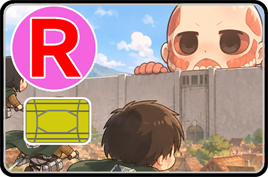
This is an advertisement. The linked site is in Japanese. You need to live in Japan and be 18 or older to apply.
 シシャモが選びましたPicked by Shisyamo
💌 Request a quizほしいクイズがあったら、教えてくださいね。
Tell me what's hard for you — your idea might become the next quiz. Found a mistake? Please tell me, too.