
 Support This Site ☕
JLPT N2 文法クイズ:逆接・対比 (2/4)
Contrast
Quiz 2 of 4 on JLPT N2 contrast grammar. In each of the five sentences, the second half goes against what the first half suggests. Pick an answer to see the result, hear native audio, and read a short note. Stuck? Open the hint to see all 18 grammar points.
⏱ About 5 minutes · 5 questions · same format as 問題7 on the real N2 test · Quiz 2 of 4
⚠️ このセクションの文法18個のリストです。答えではありませんが、選択肢を考えるヒントになります。
This lists all 18 grammar points in this section. It is not the answer key, but it will help you think through the choices. Try the questions first if you want a real test.
These are all 18 points in the section. 5 of them are the answers on this page.
📘 18項目の説明を読む / Read all 18 explanations →
( )に入る最もよいものを1・2・3・4から一つ選んでください。
Choose the best answer. Click any option to see what it means.
Q1. 彼女は、いつも一番たくさん食べる( )、会計になると急にトイレに立つ。
🔊 Hint — listen to the sentence:
Q2. ファンの期待( )、優勝候補のチームが初戦で敗れた。
🔊 Hint — listen to the sentence:
Q3. テストで答えを見せる方も見せる方( )、それを写す方も写す方だ。
🔊 Hint — listen to the sentence:
Q4. 友人に言いすぎたと( )、自分から謝る気にはなれなかった。
🔊 Hint — listen to the sentence:
Q5. 引っ越し( )、同じマンションの2階から5階に移っただけだ。
🔊 Hint — listen to the sentence:
Live in Japan and love 進撃の巨人? There’s a Rakuten Card with an Attack on Titan design
It works just like the regular Rakuten Card — no annual fee, ever, and 1 point for every ¥100 on most purchases. 楽天カードは私も使っています。
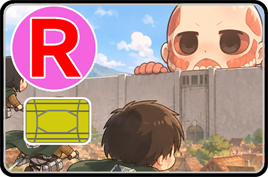
This is an advertisement. The linked site is in Japanese. You need to live in Japan and be 18 or older to apply.
 シシャモが選びましたPicked by Shisyamo
📖 用例ノート / Usage Notes
各問の文法の説明です。先に問題を解いてから開きましょう。
Explanations for each question. Open them after you have answered.
Q1. 彼女は、いつも一番たくさん食べる…
〜くせに kuse ni
📌 普通形 + くせに ※ な形容詞+な/名詞+の
💡 〜なのに。相手を責める、あきれる気持ちが強く出る。
Even though ~. Always carries blame or scorn toward the person you’re talking about.
① 彼女は、いつも一番たくさん食べるくせに、会計になると急にトイレに立つ。
She always eats the most, yet as soon as the bill comes, she suddenly heads off to the restroom.
② 子どものくせに、大人のような口をきく。
He’s only a child, yet he talks like an adult.
③ 兄は毎朝寝坊するくせに、私が5分遅れただけで怒る。
My brother oversleeps every single morning, but if I’m five minutes late, he gets angry.
くせに=「〜なのに」に、人を責める気持ちが入る/にしては=基準から予想することと合わない(責める気持ちはない)/反面=1つのものの、反対の2つの面 「反面」は1つのものの2つの面を言います。人のすることを責める文には使えません。
反面 is for two sides of one thing. It can’t blame a person for what they do.
Q2. ファンの期待…
〜に反して ni hanshite
📌 名詞 + に反して ※ 名詞を修飾するときは「〜に反する+名詞」。前に来るのは予想・期待・予報・規則・命令など、かたい名詞がほとんど。
💡 予想・期待・命令など、前もってあったものと反対の結果になった。
Contrary to ~. The result goes the other way from what was expected, hoped for, or instructed.
① ファンの期待に反して、優勝候補のチームが初戦で敗れた。
Contrary to what the fans had hoped, the favorites lost their very first match.
② 事前の予想に反して、新しい店は初日から満席だった。
Against everything we expected, the new shop was full from day one.
③ その料理は赤くて辛そうな見た目に反し、驚くほど甘かった。
Contrary to its red, fiery look, the dish was surprisingly sweet.
に反して=期待や予想と反対の結果になった/どおり=期待や予想と同じ結果になった/に応えて=期待や要望に合わせて、そのとおりにする 「期待に」のあとには「反して」も「応えて」も来ますが、意味は反対です。後ろの「初戦で敗れた」で決まります。
Both 反して and 応えて can follow 期待に, but they mean opposite things. The early loss tells you which one fits.
Q3. テストで答えを見せる方も見せる方…
〜も〜なら〜も mo ~ nara ~ mo
📌 名詞 + も + 同じ名詞 + なら + 名詞 + も + 同じ名詞 + だ ※ 前が動詞のときは「〜方」「〜人」などの名詞にしてからくり返す
💡 2つを並べて、どちらも同じように悪いと言う。あきれる気持ち、非難の気持ちが強い。
Both ~ and ~ are as bad as each other. Two things named side by side and given the same verdict — nearly always a complaint.
① テストで答えを見せる方も見せる方なら、それを写す方も写す方だ。
On a test, showing someone your answers is bad enough, and copying them is every bit as bad.
② この会社は、上司も上司なら、部下も部下だ。誰も責任を取ろうとしない。
At this company the managers are as bad as the staff — nobody will take responsibility.
③ 息子は飲酒で補導され、父親は飲酒運転で事故を起こしたらしい。親も親なら、子も子だね。
The son got picked up for drinking, and the father caused a drink-driving crash. The father is no better than the son.
も〜なら〜も=2つを並べて、どちらも同じように悪いと言う/一方(で)=反対の方向の2つを対等に並べる/にもかかわらず=予想に反する結果を言う 「歌も歌えば、ピアノも弾く」のような「〜も〜ば〜も」は、2つを並べるだけの別の文法です。責める気持ちはありません。
〜も〜ば〜も just lists two things, with no blame. 〜も〜なら〜も says both sides are at fault.
Q4. 友人に言いすぎたと…
〜つつ(も) tsutsu (mo)
📌 動詞ます形の語幹 + つつ(も) ※ 逆接では「も」を入れることが多い。「つつ」だけだと同時(〜しながら)に読める。
💡 〜と思いながら、それと反対のことをする。
Even while ~ing. You do one thing while knowing or feeling the opposite.
① 友人に言いすぎたと感じつつも、自分から謝る気にはなれなかった。
I felt I’d gone too far with my friend, but I still couldn’t bring myself to be the one to apologize.
② 直さなければと思いつつ、そのままにしている。
I keep thinking I should fix it, and I keep leaving it as it is.
③ 口では「興味がない」と言いつつも、彼は誰よりも熱心に説明を聞いていた。
He kept saying he had no interest, but he listened to the explanation more closely than anyone.
つつ(も)=分かっていながら、反対のことをする(かたい書き言葉)/ながら(も)=ほぼ同じ意味で、少しやわらかい/つつある=変化が少しずつ進んでいる(別の文法) 「つつも」と「つつある」は形が似ていますが、意味はまったくちがいます。「つつある」は「回復しつつある」のように、変化の途中を言います。
つつも and つつある look alike but mean very different things. つつある describes a change that is still going on.
Q5. 引っ越し…
〜といっても to itte mo
📌 普通形/名詞 + といっても ※ な形容詞・名詞は「だ」を取る
💡 その言葉から想像することほど、実際は大したことではない、と下げる。
Although I say ~. The word sounds bigger than what actually happened.
① 引っ越しといっても、同じマンションの2階から5階に移っただけだ。
It was a move, but only from the second floor to the fifth floor of the same building.
② 被害といっても、一部の窓ガラスが割れただけだった。
There was damage, but only a few windows were broken.
③ 有名になったといっても、地元の新聞に一度載っただけだ。
I say I got famous, but it was one mention in the local paper.
といっても=言葉から想像するほどではない、と下げる/からといって=その理由だけでは結論できない(後ろは打ち消し)/としても=もし〜だとしても(仮定の話) 「といっても」「からといって」「としても」は形が似ています。後ろで「〜だけだ」と小さく言い直すなら「といっても」です。
All three look alike. When the second half shrinks it down to “only ~”, use といっても.
💌 Request a quizほしいクイズがあったら、教えてくださいね。
Tell me what's hard for you — your idea might become the next quiz. Found a mistake? Please tell me, too.